Care Cure Comfort Lab
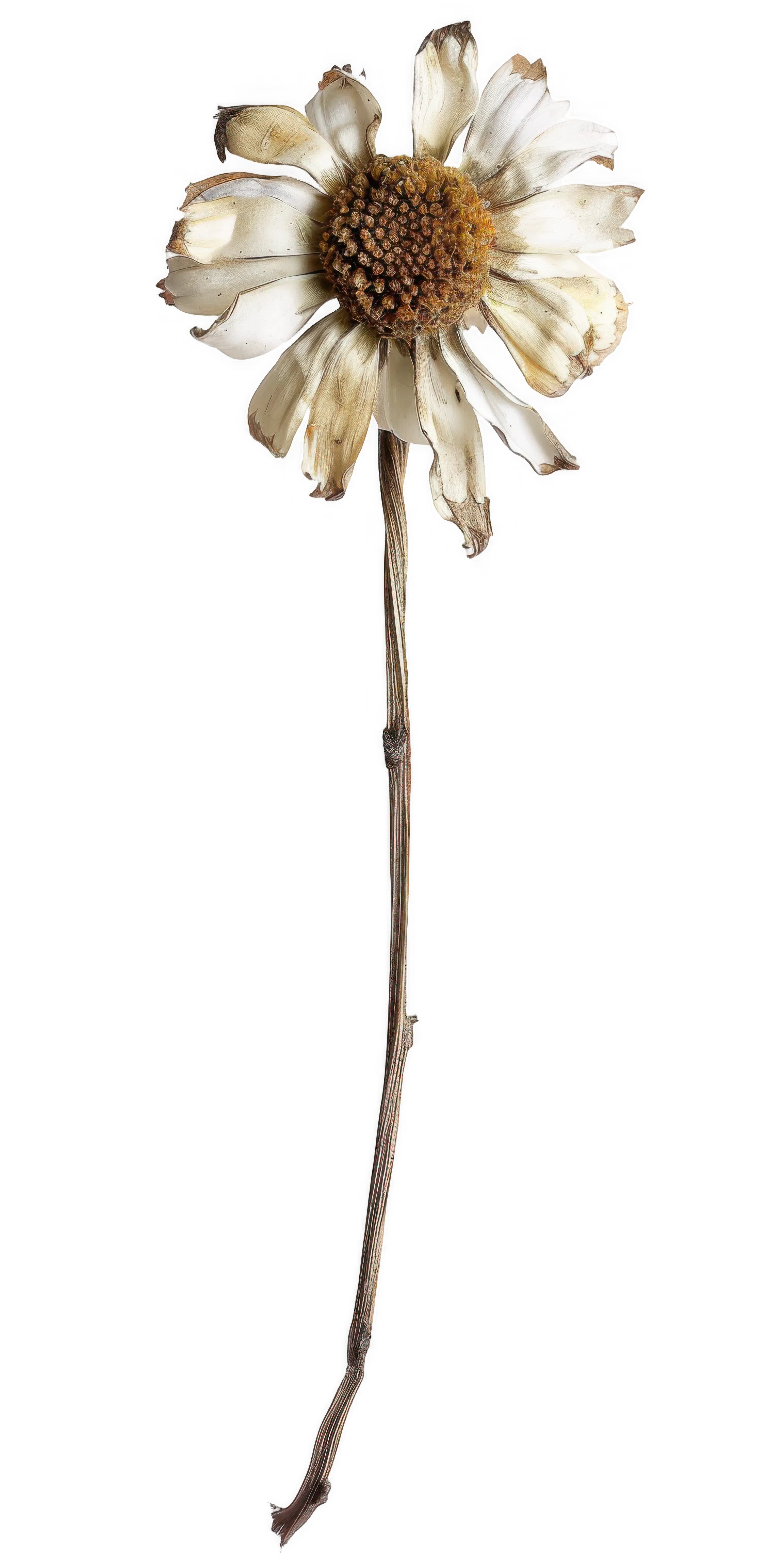
The Care Cure Comfort Lab, run by NTGent and Barbara Raes, turns the city theatre into the ideal place for art, rituals and care to meet and strengthen one another. Healing is the goal, imagination the remedy.

'The ritual opens an invisible gateway and grips you right in the chest, where it very lovingly, very carefully, with great dedication and gentleness but no hesitation, wrings out your heart. Now my tears are part of something greater, an archive of sorrow, memory, loss. It is a comfort to me that the grief I feel has found such a beautiful place. That idea alone makes me lighter and, in some way, gives me hope. I thought my tears had dried up, but they were simply waiting for a place where they would be allowed to exist.'
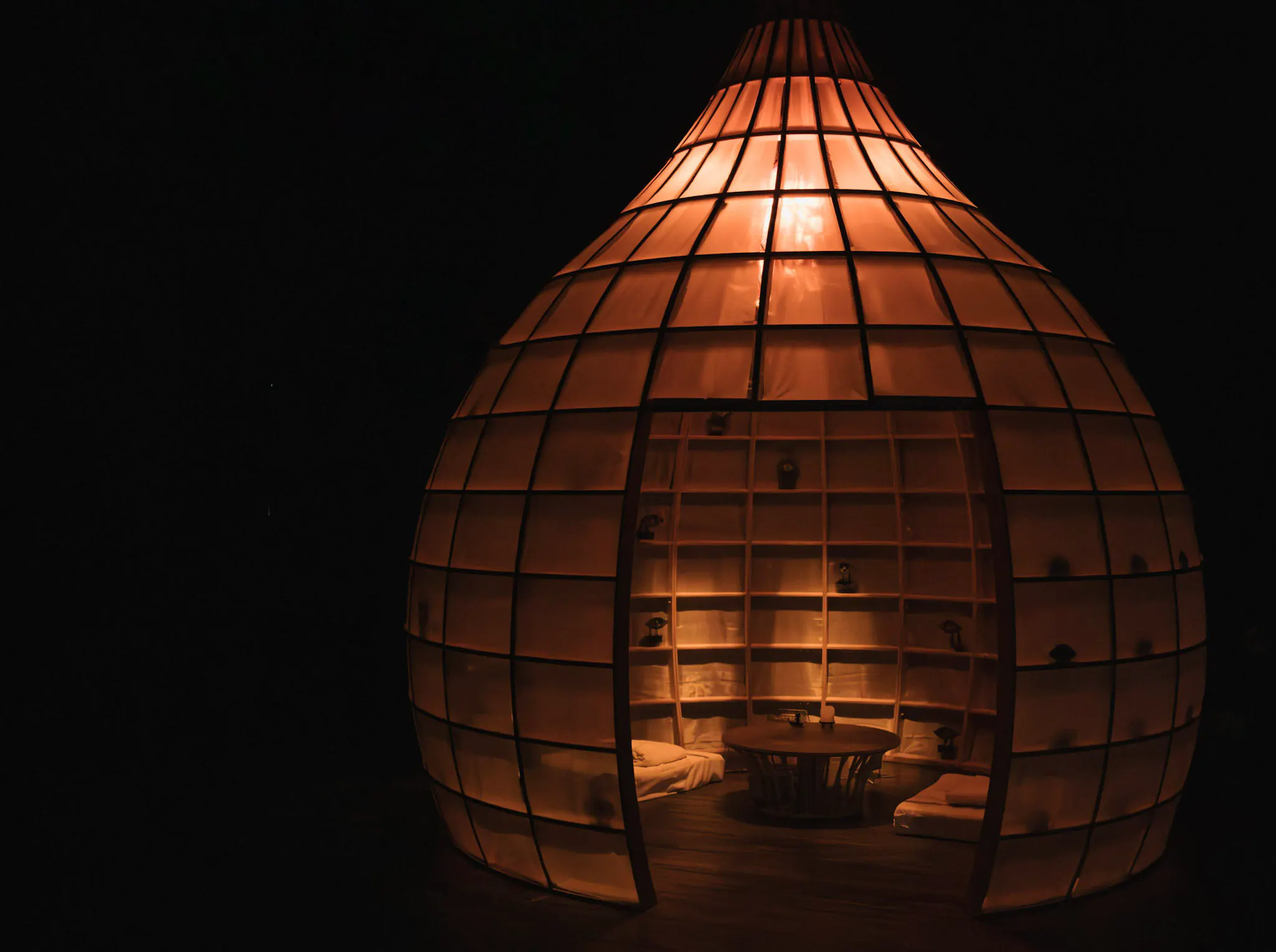
October 2024. As an imposing red tent in front of NTGent Schouwburg heralds a new theatre season, a dozen people are participating in an individual grieving session a short distance away – far from all the attention – with ritual maker Barbara Raes, one of NTGent’s artistic directors. She has put up a much more intimate tent, a calm, poetic space shaped like an egg, at Victoria Deluxe cultural centre. In One Day I Will Make the Onion Cry, participants follow a three-part process. The second of these is a two-hour conversation in which they talk to Raes about solastalgia, a term from climate science that designates grief for something that is still here. Our suffering planet is only one example. People can also grieve for a parent with dementia, a child who no longer wants contact with them, a relationship that seems to be coming to an inevitable end... Raes harvests the tears of participants in her onion. 'Tender, loving, dedicated and gentle,' as one person reports. Raes keeps the tears in an archive, 'a place to gather grief, memory and loss.'


The première of One Day I Will Make the Onion Cry is an important step in the oeuvre of Barbara Raes, who has been making customised rituals for years in Beyond the Spoken, a workspace for unacknowledged loss. That is a term for the many ‘small’ funerals in a human lifetime for which no ritual of farewell exists: a breast amputation, a divorce, the loss of a job. In One Day I Will Make the Onion Cry, Raes brings her private practice into the theatre for the first time. In other words, Raes, who turned her back on the sometimes frenzied cultural sector for years after a burnout, has returned to her old love to increase the impact of her work. After all, the need is great.
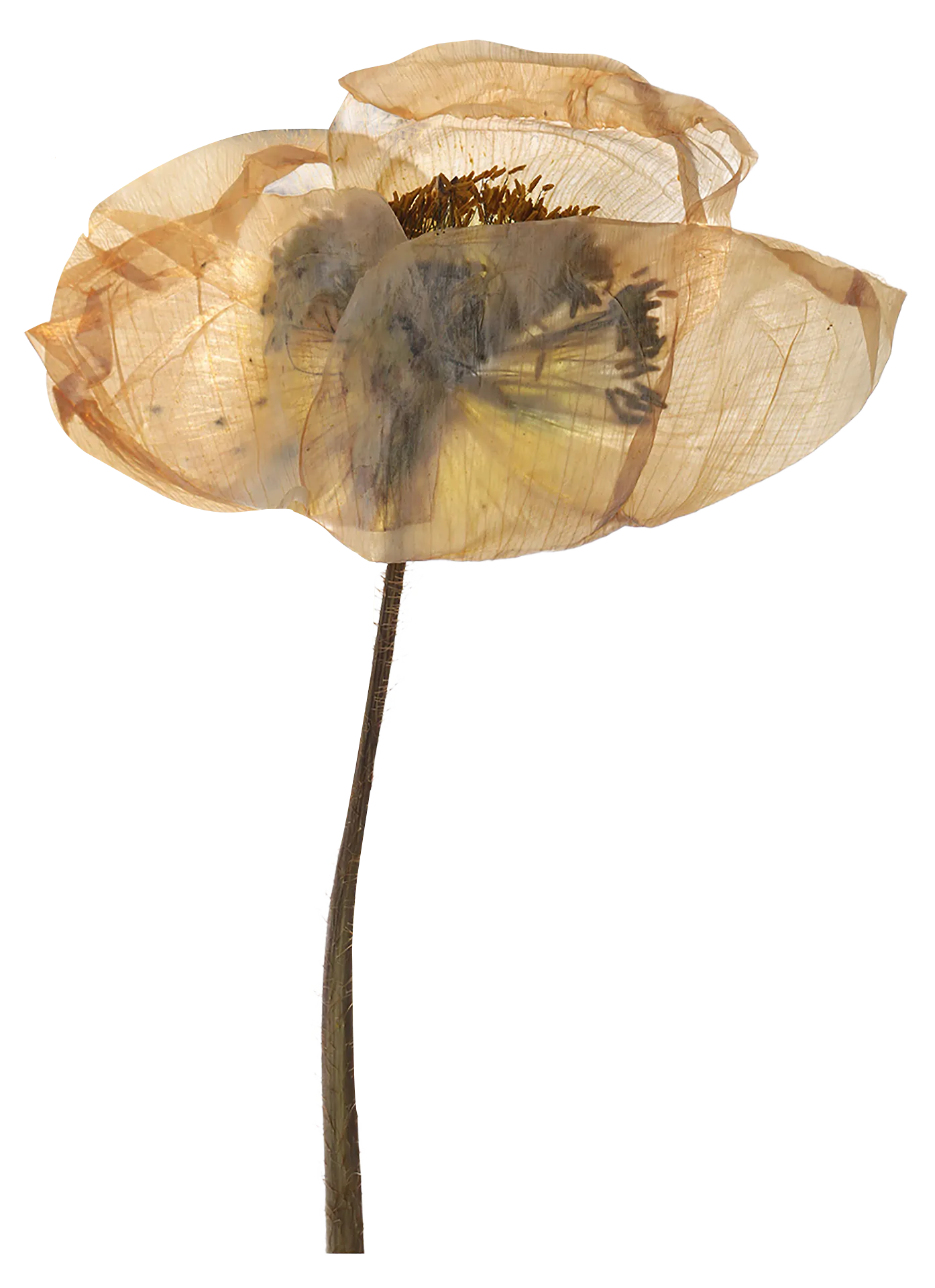
Raes is in search of new, meaningful rituals that may be capable of filling a great absence in our modern society. Rituals that once marked important transitions in life, thus generating collective acknowledgement and social connectivity, are today often impoverished, medicalised or privatised. As such, their symbolic value is lost, along with the shared recognition they entail. This is a loss that limits our mental resilience: not merely that of individuals but also of society as a whole. Research has confirmed this: psychologists have already demonstrated that rituals temper our brains’ reaction to personal failures, which helps us to weather stress and adversity. So when ritual frameworks of this kind do not exist, we lack an important buffer.
What counts in neoliberal society is what generates a return: things whose usefulness can be measured. But so many valuable things cannot be expressed in productivity or profit, and as such, they lose their place or legitimacy. The result is a breeding ground for psychological vulnerability. Not because of individual shortcomings, but because society offers too few structures to process emotions and transitions, or in other words, to share them.
The fact that people experience little or no connection with others. I believe that’s a crisis, perhaps the real crisis of our time
The emptiness experienced when rituals are lacking is even more tangible with forms of loss that are less acknowledged by society. In the literature, this is also referred to as disenfranchised grief (Doka, 1989). That unacknowledged lack is precisely what made Barbara Raes start her own artistic practice in 2016. What began as an individual mission is being extended at NTGent into a broader practice in the Care Cure Comfort Lab that Raes set up when she became an artistic director in 2023. The lab is working on several different tracks to broaden the impact of Raes’ work.
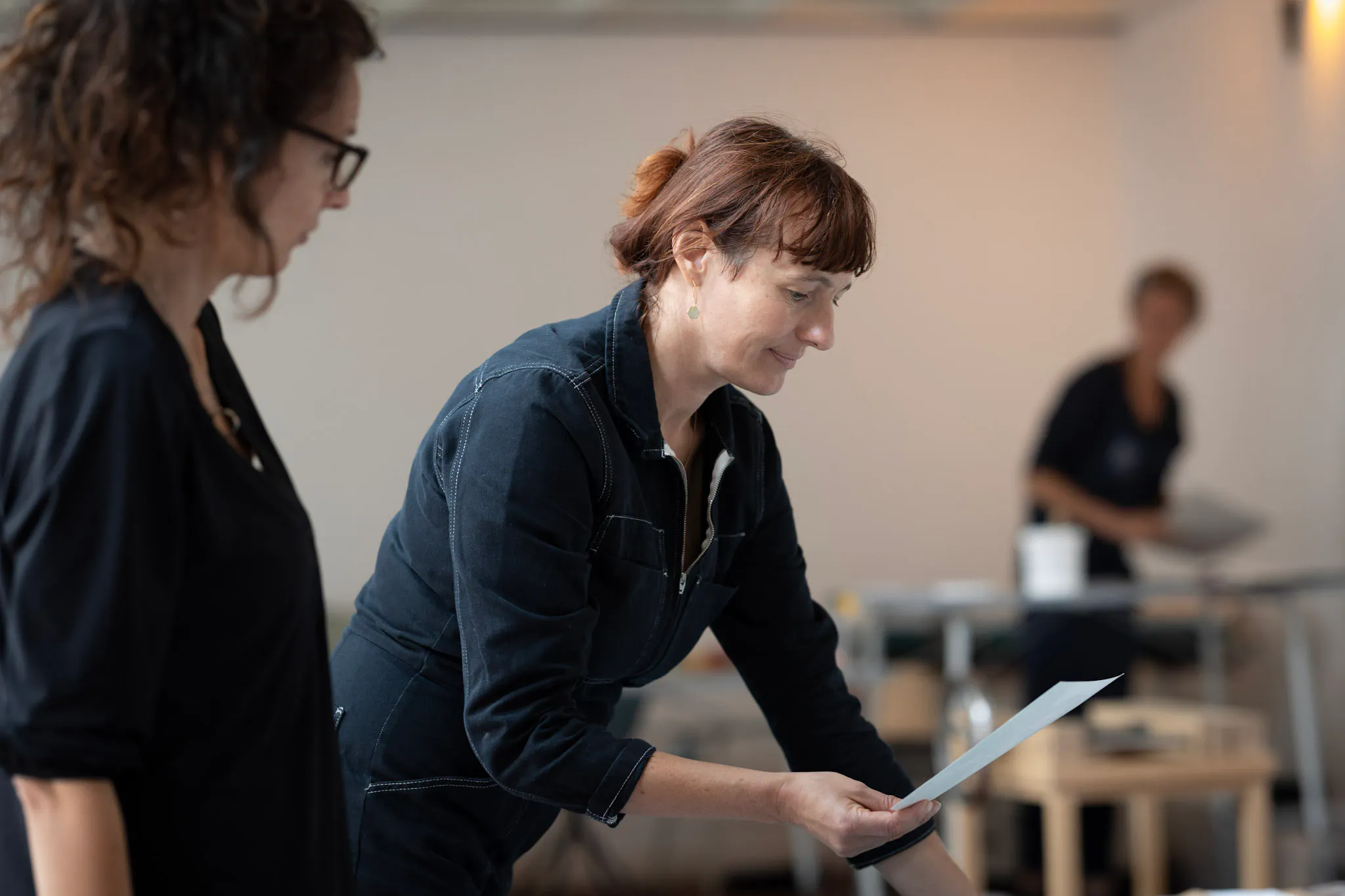
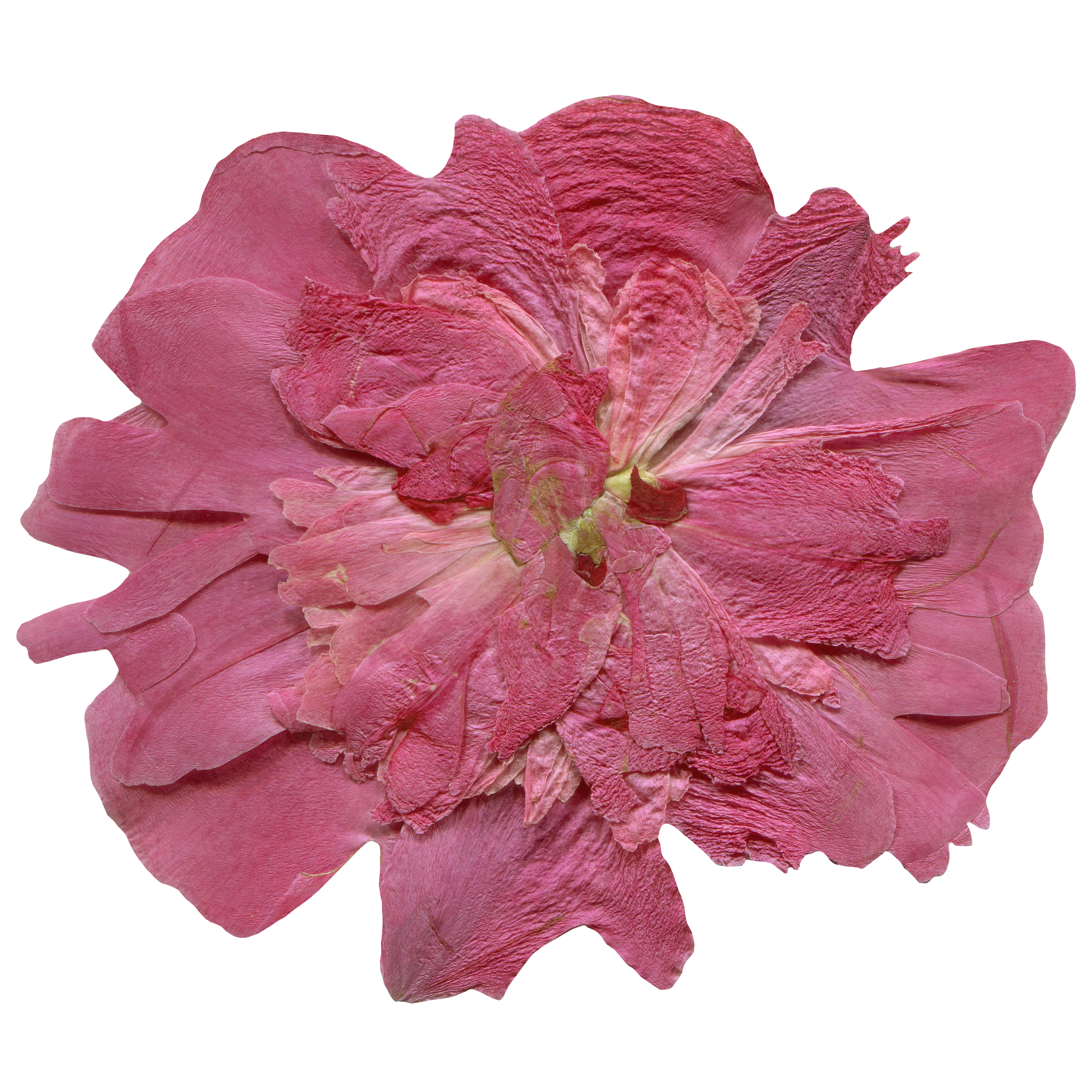
One of these tracks is sharing knowledge: spreading the knowledge of the importance and structure of rituals that Raes has built up in Beyond the Spoken and during a research project at KASK & Conservatorium Gent. To these ends, One Day I Will make the Onion Cry travelled to the Vesdre valley in Wallonia in spring 2026, where severe flooding five years ago cost dozens of people their lives. In five different places (Eupen, Limbourg, Verviers, Chaudfontaine and Angleur), flood victims were welcome to share their grief in individual sessions. Raes welcomed some of the victims herself, but she also trained ‘sisters’ on site to lead the ritual. This brought the number of participants in Mémoires des Eaux, the Walloon version of the project, to 125. All of them donated a tear to the project. Tears that will form the heart of a memorial to be unveiled in Liège on 15 July.
Another track is the development of NTGent itself into a place where art and culture contribute to preventing psychological and social problems. Since 2024, one thing the city theatre has been doing to achieve this is working with the PAKT mental healthcare network, and the NTGent Schouwburg has been officially appointed a ‘cultural locus’: a warm, non-stigmatising environment where vulnerable people can come. The psychologist and visual therapist Valerie Teirlinck organises Matter of Care here, an alternative form of first-line psychological care in which the power of materials, art and imagination are used to enable conversation about subjects such as grief, loneliness, comfort and sorrow in group workshops. Each workshop series is inspired by the work of artists at NTGent (No Yogurt for the Dead, Living Apartment Together, Firestarter, One Song, Sonder, etc.). During the 26-27 season, NTGent’s Care Cure Comfort Lab will also be organising adapted after-talks with the grief expert Uus Knops for the first time.
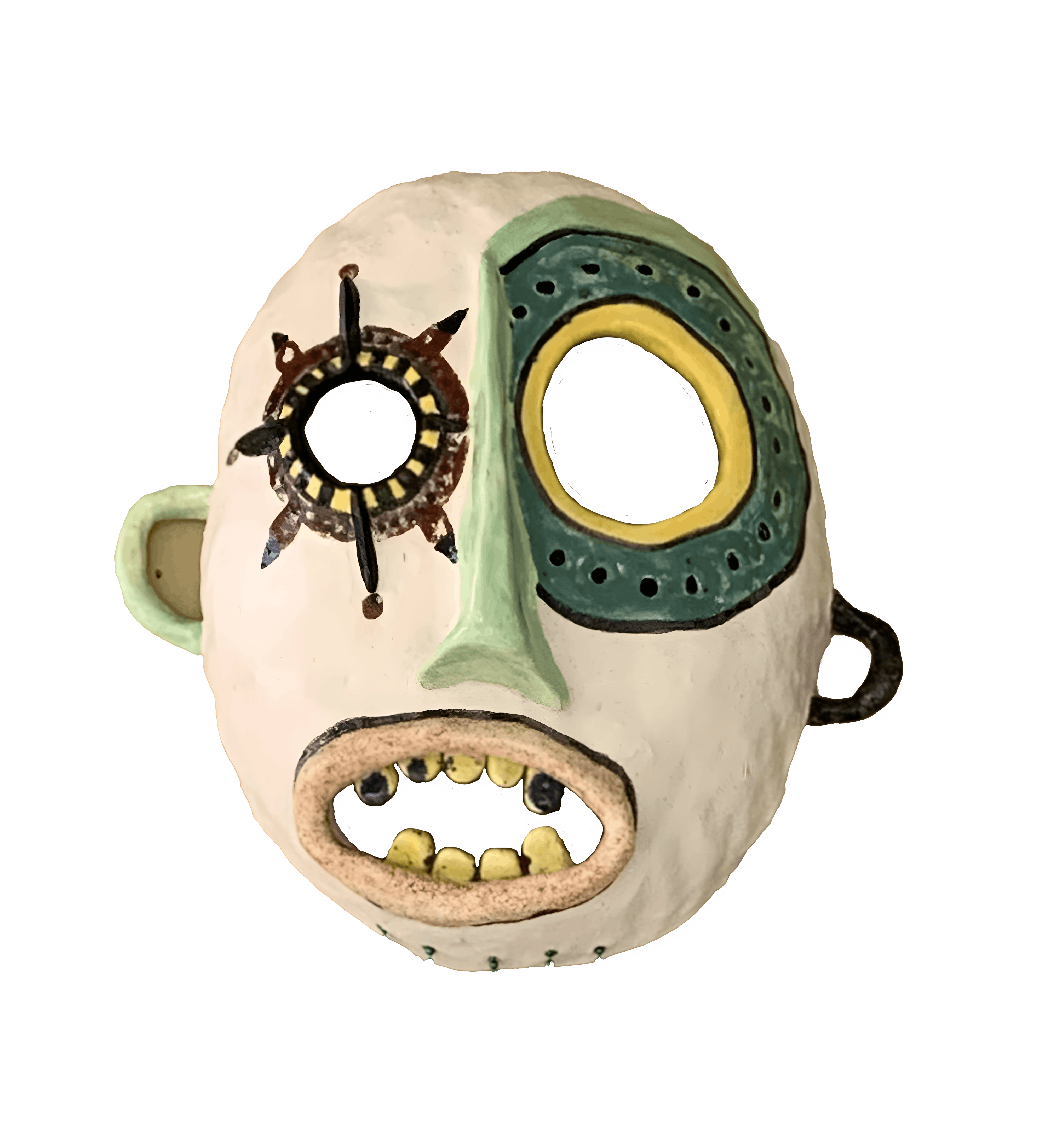
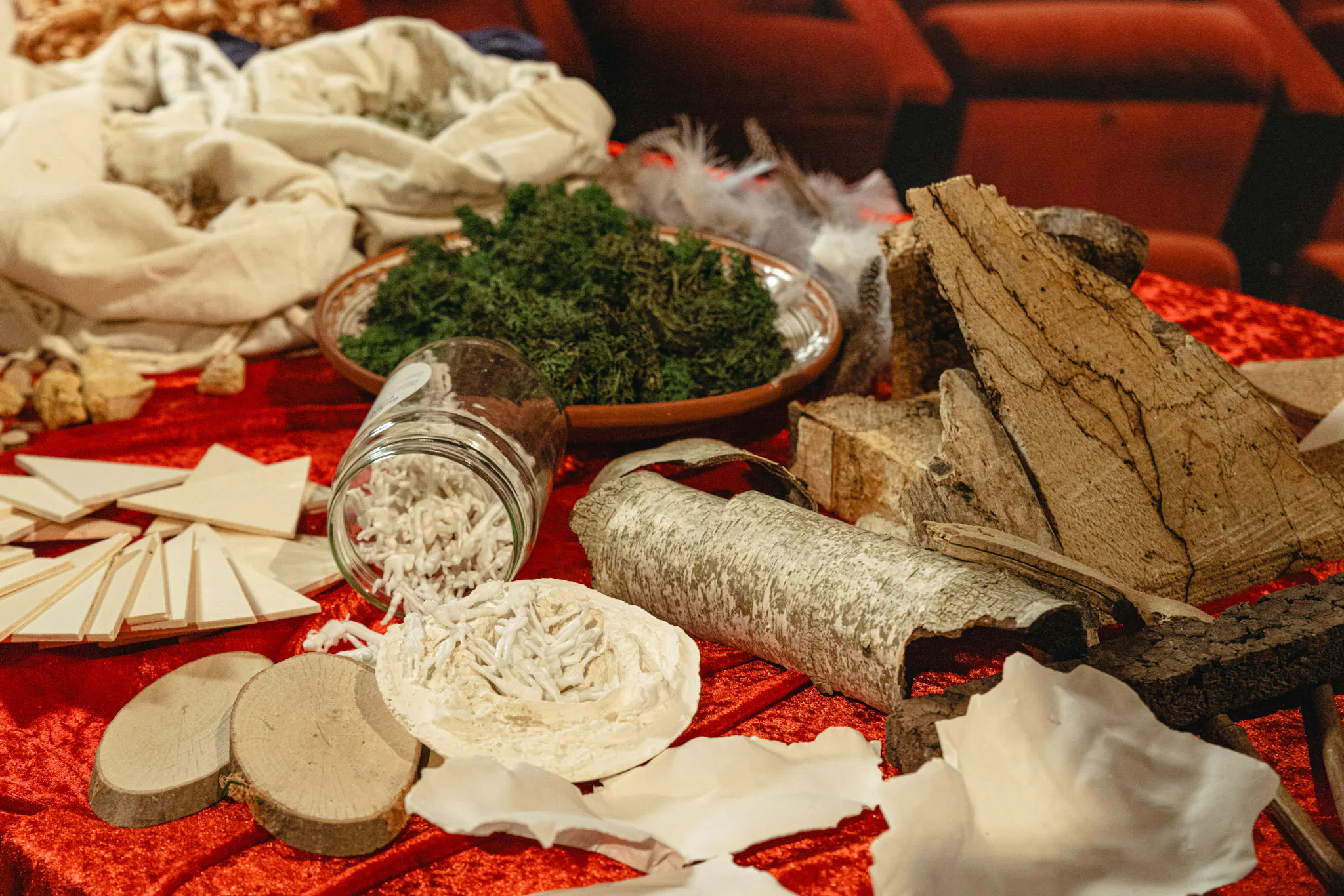
A third track is that of scaling up. As such, Raes wants the ritual Golden Child to touch down between 2026 and 2030 in four places that have a great need for healing but a different culture of grieving, such as India, Brazil, Eastern Europe, Japan and the Middle East. In January 2026, Golden Child went to South Africa, where a local Sun Queen accompanied children who had experienced traumatic loss in the twelve-hour ritual.
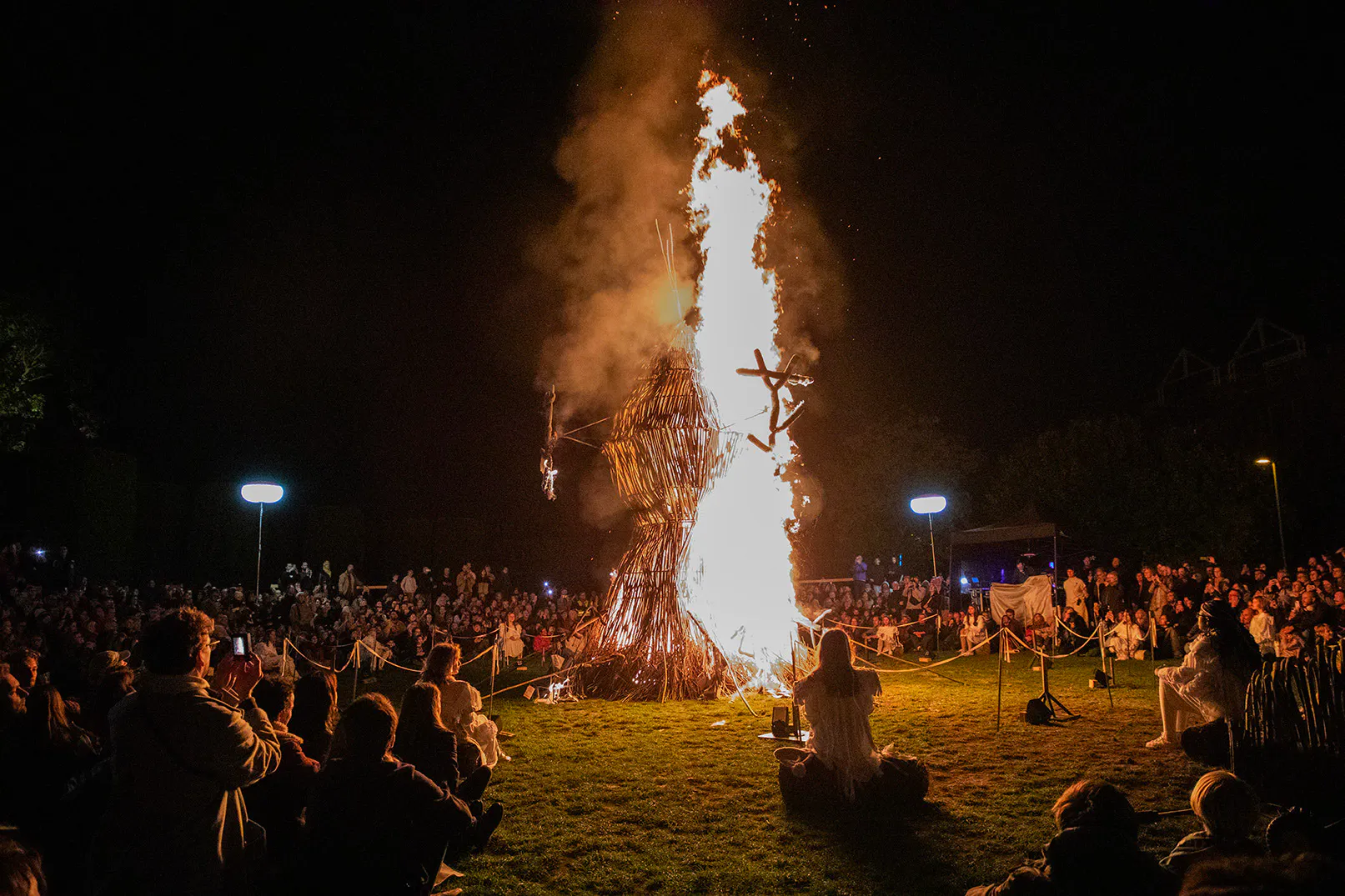
The new ritual Firestarter, premiered in 2025, is another example of scaling up. In late September 2025, the fire ritual brought a thousand people together in a park in Ghent on the theme of a ‘a new beginning’. “What is burning inside you?” was the question they were asked. Closest to the fire were a group of preteens who has been marking their transition from childhood to youth with artists in the preceding months. Around them gathered the participants in a dozen shorter processes that NTGent had organised with partners in the city. In this way, a ‘small’ ritual designed for eleven and twelve-year-olds became embedded in the entire city and hundreds of hearts. That same gesture gave the preteens a sense of support from a collective of participants.

Other tracks that the Care Cure Comfort Lab is working on include care for the organisation and its role in strengthening the cultural landscape. Under the guidance of Raes and her artistic co-director, Yves Degryse, the organisational culture of NTGent has changed, for example with the introduction of self-managing teams. In 2025, NTGent linked its day of reflection How to be Many Mothers to a survey among its female staff about the impact that menstruation, the perimenopause and menopause have on work, enriched with a talking circle that is held every six months.
March 2027 will mark the first edition of What Holds Us, a long-term collaboration between NTGent, Kaaitheater (Brussels) and De Studio (Antwerp). The key question in this shared programme is a broad one: how can we rewrite the concept ‘mother’, turning it from an isolated, private role into a visible, shared force that claims its place in art, policy and public space? And how can private, often complex experiences and stories feed that cultural and social space?

The different tracks in the lab have one shared goal: a theatre of the future in which imagination and rituals are not a luxury but a necessity. They form the heart of a collective promise, an incantation that enables the city theatre to bring healing, connectedness and transformation – for individuals, the city and the world.
Clearly, that comes with challenges. For example, how do you ensure that collective rituals are accessible to a large group and also that they have an impact on each individual participant? How do you make sure that new rituals gain strength, knowing that their power lies in the transmission of their history? They gain weight and meaning by being repeated in more places, by more people and more generations. How do you give a ritual a chance to take root, so that it also has meaning for those who come after us?
Another challenge is financial and organisational in nature. NTGent has traditionally produced plays for the theatre, not rituals, whose creation requires a different schedule and production process. And how do you measure the impact of a creation if it cannot be expressed as a number of tickets sold and cannot tour in the traditional way? These are all questions to which NTGent will seek answers in the coming years, based on the firm conviction that art, specifically theatre, can fill a great hole in society.
Self care is important, but the real power lies in connection: the gesture of someone else who is there for you

NTGent’s Care Cure Comfort Lab is restoring the pathway back to a theatre that is concerned with more than stories. It tackles the core of our humanity: healing and imagination. As such, the city theatre is becoming the place where art, rituals and care come together and strengthen each other, where personal and collective pain are seen, felt and transformed.
Barbara Raes points out the urgency of this: the World Health Organisation has predicted that depression will be the number one illness affecting the population by 2030. “The arts have a role that goes beyond mere aesthetics: they create space for imagination as a remedy, for rituals that connect and heal us. Self care is important, but the real power lies in connection: the gesture of someone else who is there for you, who conducts a ritual or an action, becomes a little piece of healing, a shared promise of care and recovery.”
The Care Cure Comfort Lab shows how this collective promise can grow: from the intimate rituals surrounding individual loss to collective city rituals and onwards to a worldwide exchange. In this way, rituals go beyond collective activities to become sustainable practices that can take root in different communities, at different scales, from the personal to the global. Every project, every encounter, causes ripples that expand like waves in a constant motion from the individual to the collective, from the city to the world.

All insights linked to Care Cure Comfort Lab
- Catching tears with socks onCare Cure Comfort Lab
- South African children awake the sun during 'Golden Child'Care Cure Comfort Lab